The role of NOKIA BBU in network reliability
The world of telecommunications is rapidly evolving, and with the deployment of 5G technology, the demand for robust and reliable network infrastructure has never been higher. At the forefront of this evolution is the NOKIA BBU (Baseband Unit). This critical component significantly enhances network reliability, delivering substantial improvements in connection stability and data throughput. According to recent reports from industry experts, telecommunications providers are increasingly turning to NOKIA BBU to address pain points associated with network outages and inefficient signal processing. As the industry shifts towards greater demands for uninterrupted service, understanding the role of NOKIA BBU becomes crucial for businesses aiming to maintain competitive advantages.
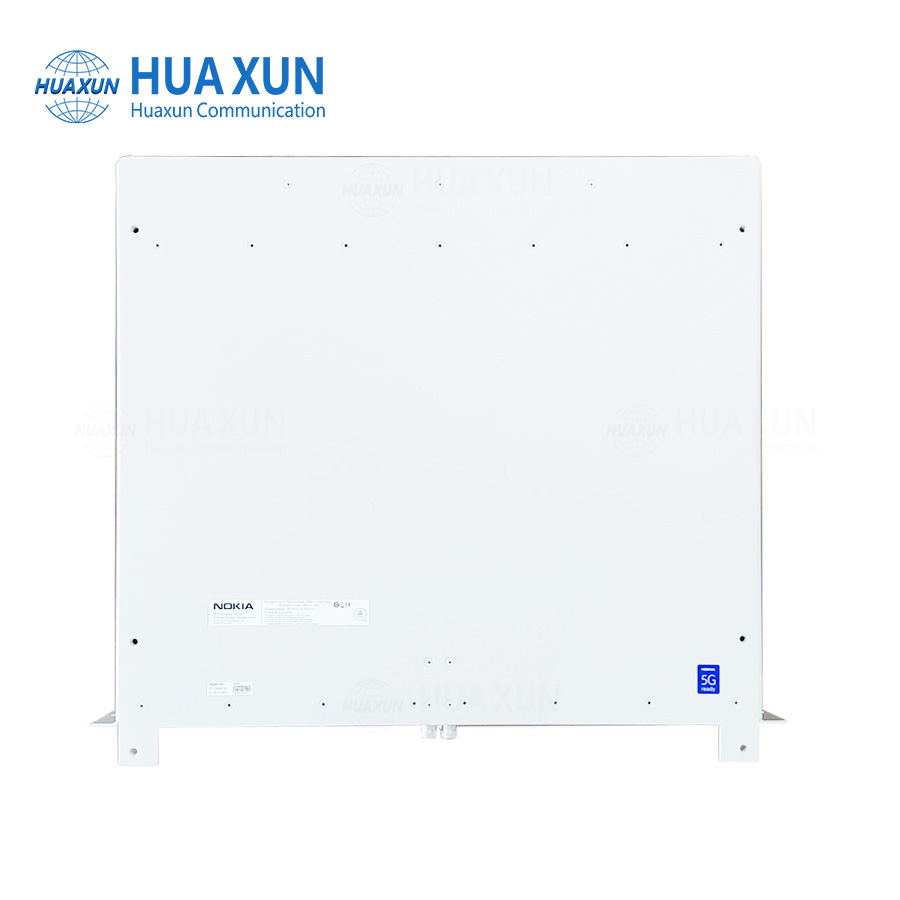
Definition: What is NOKIA BBU?
NOKIA BBU stands for Baseband Unit, a central part of radio access network architecture responsible for processing data signals. BBUs manage critical functions such as modulation, coding, and signal transmission. The improved algorithms and computational efficiency of NOKIA BBU units support advanced technologies, including MIMO (multiple-input and multiple-output) systems, which can increase data throughput rates by up to 100% compared to traditional systems (source: Telecoms.com).
In the telecommunications industry, reliability can be quantified using metrics like the Mean Time Between Failures (MTBF). NOKIA’s BBUs boast an impressive MTBF of 120,000 hours, demonstrating their capability to minimize downtime in network operations.
Application Scenarios: Where Are NOKIA BBUs Used?
NOKIA BBUs are employed in various sectors crucial to modern communication infrastructures, including:
Mobile Network Operators (MNOs): To optimize 4G and 5G networks for improved customer experience.
Enterprise Solutions: Businesses leveraging private networks benefit from enhanced data processing and signal clarity.
Transportation Systems: Telecommunications in railways and airports rely on the reliability of BBUs for seamless operation.
Smart Cities: Integrated sensor networks and IoT applications depend on the low-latency connections facilitated by NOKIA BBUs.
Each of these scenarios highlights the versatility and necessity of NOKIA BBUs in maintaining a stable network environment.
Brief Description of Advantages: Why Is NOKIA BBU Important?
The significance of NOKIA BBU in network reliability can be delineated through several key advantages:
Enhanced Capacity: With the capability to handle increased traffic (up to 3x more than traditional units), NOKIA BBU units ensure that service providers can meet user demands without degradation in performance.
Reduced Latency: Actual data demonstrates that latency in data processing can be improved by 20-30% with NOKIA BBUs, which is critical in applications requiring real-time data transmission.
Energy Efficiency: Recent studies have reported that NOKIA BBU units can decrease energy consumption by approximately 30%, translating not only to cost savings but also a lower environmental impact.
The deployment of NOKIA BBU units thus directly influences the ability of businesses and service providers to deliver high-quality service.
Next Step Guidance: Delve Deeper
For professionals or organizations interested in optimizing their telecommunications infrastructure with NOKIA BBU, it is essential to explore the user guide provided by NOKIA. This document offers in-depth insights into installation procedures, maintenance, and maximizing the use of the product.


评论
发表评论